



World of Tanks is a tactical team-based game centered on armored combat, strategic positioning, and vehicle mastery. Unlike typical shooters, success depends not only on aim but on map control, teamwork, tank type understanding, and knowing when to push or retreat. Mastering World of Tanks is a balance of mechanical skill, tactical decision-making, and understanding each tank’s role within a match.
This guide will walk you through every aspect of becoming a highly skilled commander—from early-game fundamentals to advanced map control, tank specialization, and late-game decision-making—so that every battle contributes to your growth and dominance on the battlefield.
Understanding Tank Classes and Their Roles
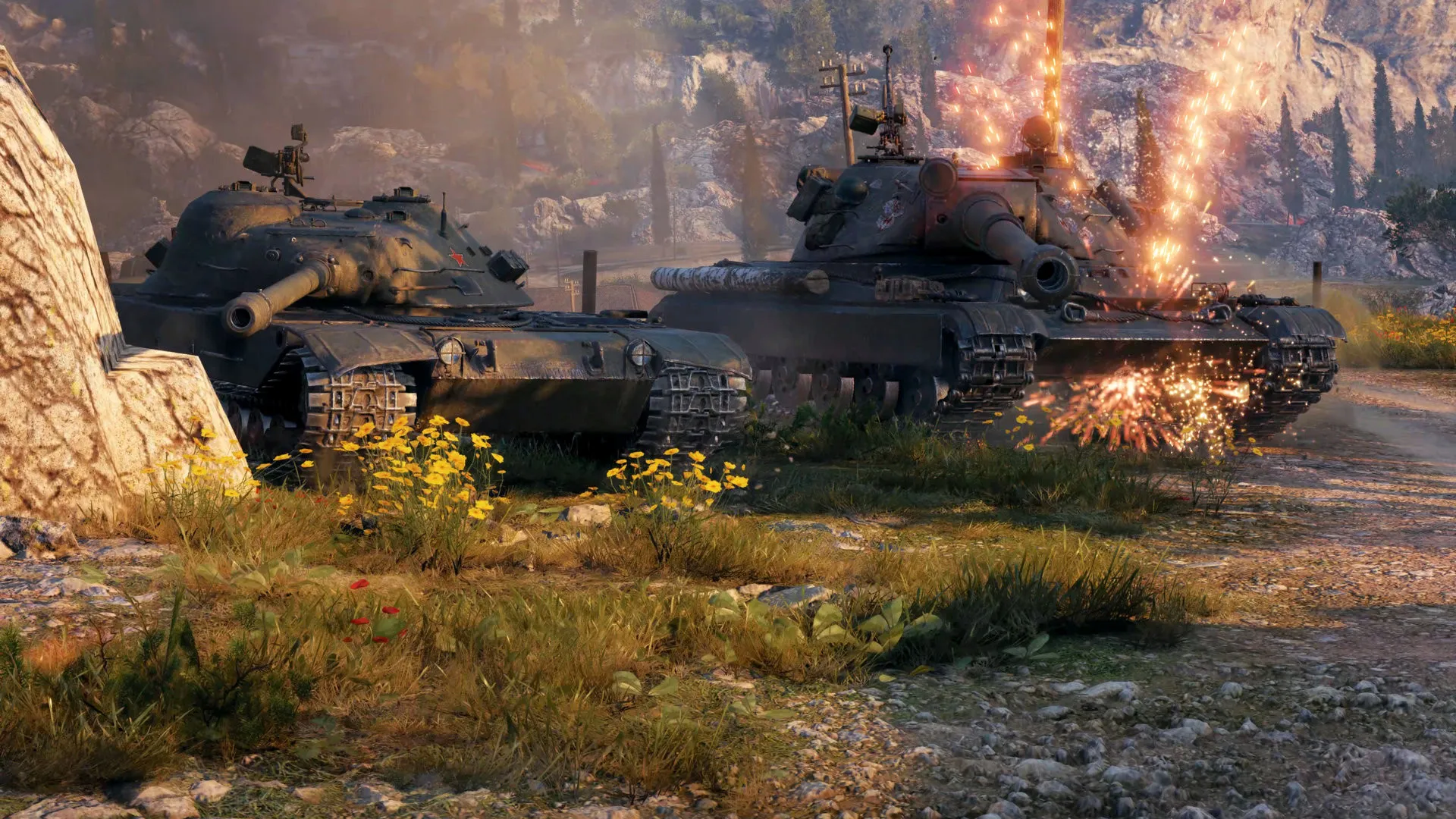
World of Tanks features four primary classes: light, medium, heavy, and tank destroyers. Each has a distinct battlefield role.
Light tanks are scouts. Speed and stealth are their strengths, and spotting enemies early can change the tide of battle. Medium tanks are versatile, able to flank, support, or hold positions depending on the match. Heavy tanks excel in frontal engagements with strong armor and firepower, often acting as the backbone of a push. Tank destroyers specialize in long-range firepower or ambush tactics, relying on concealment and accuracy.
Choosing the right class for your playstyle is crucial. Consider mobility, armor, and gun characteristics. Mastering your preferred class first creates a strong foundation before branching into other tanks.
Mastering Positioning and Cover
Positioning is critical in World of Tanks. A poorly angled heavy tank can be deleted by precise shots, while a well-positioned medium tank can control flanks effectively. Always consider terrain, elevation, and available cover before moving.
Hull angling is essential. Facing enemies at a slight angle increases effective armor and reduces incoming penetration. Hills, rocks, and buildings can block incoming shots while giving you firing opportunities. Never expose your weak sides or rear unnecessarily.
Subheading: Using Map Features
Hills, depressions, and bushes provide both cover and firing advantages. Combining natural cover with angling maximizes survivability and offensive potential.
Understanding Armor, Penetration, and Ammo Types
Armor mechanics determine survivability. Learn each tank’s armor layout—upper hull, lower hull, turret shape—and understand the weak points of enemy tanks.
Penetration depends on gun type, shell choice, distance, and angle. AP (armor-piercing) is reliable for heavy targets, HE (high explosive) is better for lightly armored vehicles, and premium shells provide consistent performance against difficult targets.
Timing and placement are as important as raw firepower. Firing at weak points consistently yields maximum damage and ensures efficient engagements.
Subheading: Targeting Critical Spots
Prioritize turrets, rear armor, and lightly armored flanks to maximize efficiency in every encounter.
Scouting and Vision Control
Scouting is vital for map awareness. Light tanks and some mediums are perfect for revealing enemy positions without being detected. Concealment, bushes, and spotting mechanics allow your team to react to threats efficiently.
Use binoculars, camo, and terrain for stealth. Avoid overextending and exposing yourself to enemy fire unnecessarily. Vision control allows your team to prioritize targets, set ambushes, and dominate strategic points.
Subheading: Information is Power
The first team to know enemy positions generally gains the initiative, dictating the flow of the match.
Teamwork and Coordination
World of Tanks is a team game. Individual skill alone rarely wins matches. Support allies, communicate key enemy positions, and coordinate pushes and flanks.
Heavy tanks anchor the frontline. Mediums support flanks or capitalize on openings. Light tanks scout. Tank destroyers eliminate threats from hidden positions. Every class contributes to a cohesive team strategy.
Subheading: Supporting Without Overextending
A well-coordinated push beats reckless aggression. Protect teammates and position yourself where your tank is most effective.
Map Knowledge and Tactical Awareness
Maps are as important as tanks themselves. Learn choke points, ridgelines, spawn locations, and ideal firing positions. Understanding terrain helps you anticipate enemy movements, plan ambushes, and secure objectives.
Each map has areas suited for different tank types. Urban maps favor close combat, while open fields allow long-range sniping. Adjust your strategy accordingly.
Subheading: Adaptation is Key
Adapt tactics per map. The same tank can dominate one map and struggle on another if positioning is ignored.
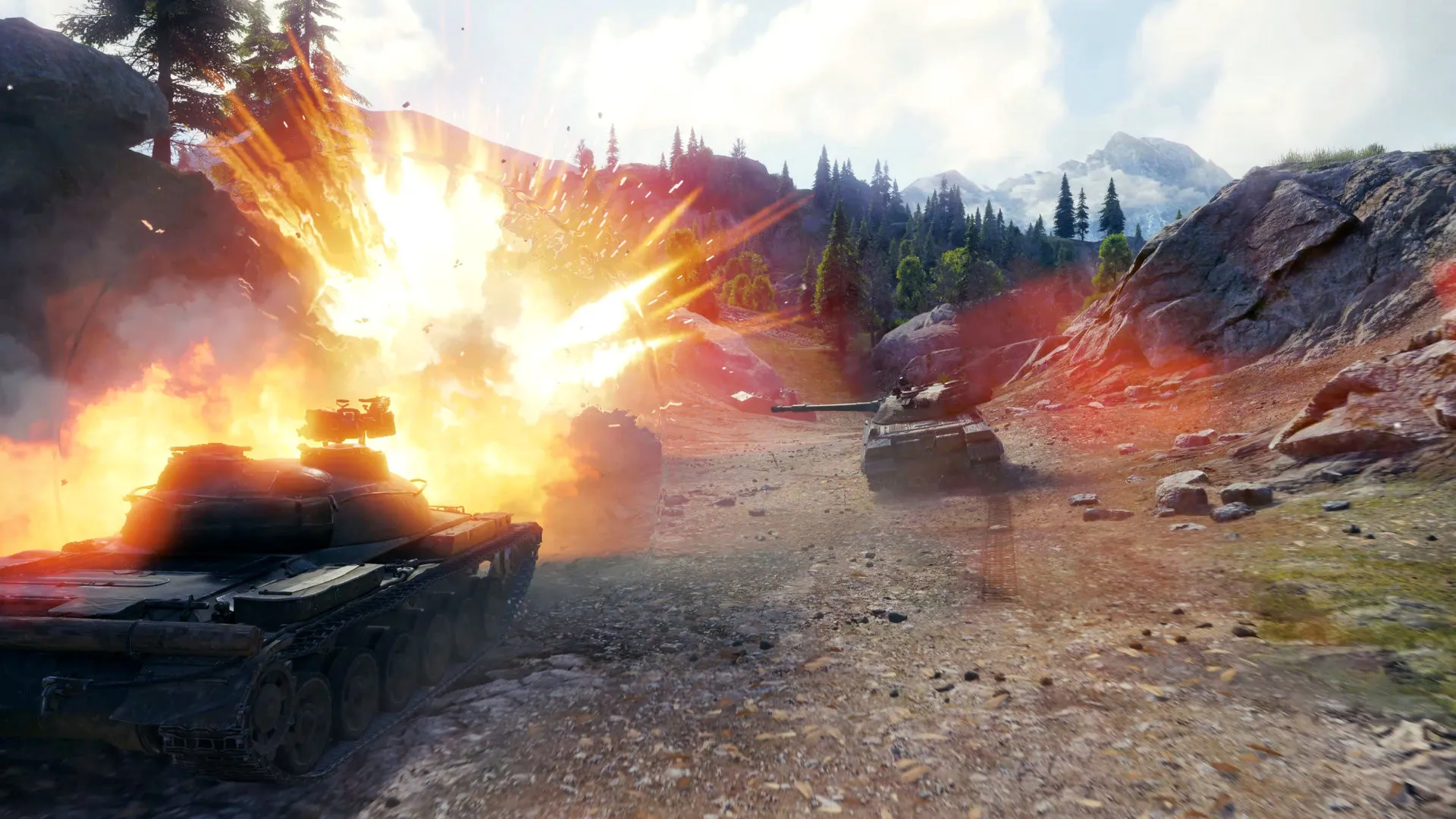
Mastering Gun Handling and Aim Mechanics
Firing accuracy depends on aiming, reload timing, and vehicle stability. Learn each tank’s gun characteristics: traverse speed, bloom, shell velocity, and reload.
Predict enemy movement to lead shots correctly. Consider armor angling and distance. Mastering gun mechanics ensures you consistently deal damage rather than relying on luck.
Subheading: Patience Over Spamming
A well-timed shot often outperforms multiple missed attempts. Focus on precision and efficiency.
Managing Late-Game Engagements and Carry Potential
Endgame situations often determine match outcomes. Fewer tanks remain, and each shot has higher stakes. Preserve HP, reposition to high-impact locations, and coordinate with remaining teammates.
Target priority is critical. Focus fire on threats first, isolate vulnerable enemies, and avoid unnecessary exposure. Map control, vision, and positioning are decisive in late-game dominance.
Subheading: Composure Wins Matches
Staying calm and making smart choices under pressure separates good players from great ones.
Progression, Crew Skills, and Tank Upgrades
World of Tanks offers deep progression systems. Upgrading modules, unlocking new tanks, and investing in crew skills dramatically improve performance.
Crew skills influence reload speed, accuracy, spotting, and survivability. Tank upgrades enhance mobility, armor, firepower, and shell handling. Plan your progression to complement your playstyle and maximize long-term effectiveness.
Subheading: Build for Strength
Focus on synergies between crew skills and tank upgrades rather than spreading resources thinly.
Specializing and Mastering a Tank Line
Mastery comes from specialization. Learn one tank line thoroughly before branching out. Understanding each tank’s quirks, strengths, and limitations allows you to consistently outperform opponents in your tier.
Whether you favor fast scout lines, brawling heavies, or hidden snipers, specialization ensures high-level mastery. Rotate to other lines later for variety and strategic flexibility.
Subheading: Depth Over Breadth
True expertise comes from in-depth knowledge of a few tanks rather than superficial understanding of many.
Conclusion
Mastering World of Tanks requires patience, strategic thinking, and mastery of tank mechanics. Victory comes from combining positioning, map knowledge, teamwork, aim, and decision-making. Players who understand both the tactical and mechanical aspects dominate the battlefield and lead their teams to consistent success.
Focus on specialization, map awareness, vision control, and precision to rise from a novice commander to a legendary tank ace.