







War Thunder immerses players in combined arms warfare, spanning air, land, and naval battles across multiple eras. Success requires understanding vehicle mechanics, mastering different combat roles, coordinating with teammates, and exploiting the terrain. This guide provides detailed strategies to help you rise above the battlefield and dominate in War Thunder, whether piloting fighters, driving tanks, or commanding warships.
Choosing Your Nation and Vehicle Line
Your chosen nation shapes gameplay style and vehicle strengths.
The USA offers versatile vehicles with balanced stats, Germany focuses on high-speed, precision combat, and the USSR emphasizes armored durability and heavy firepower. Japan favors maneuverability in air and sea units.
Decide whether you prefer air, land, or naval combat. Each branch requires specialized knowledge and rewards focused progression.
Understanding Vehicle Mechanics
Every vehicle type has unique mechanics.
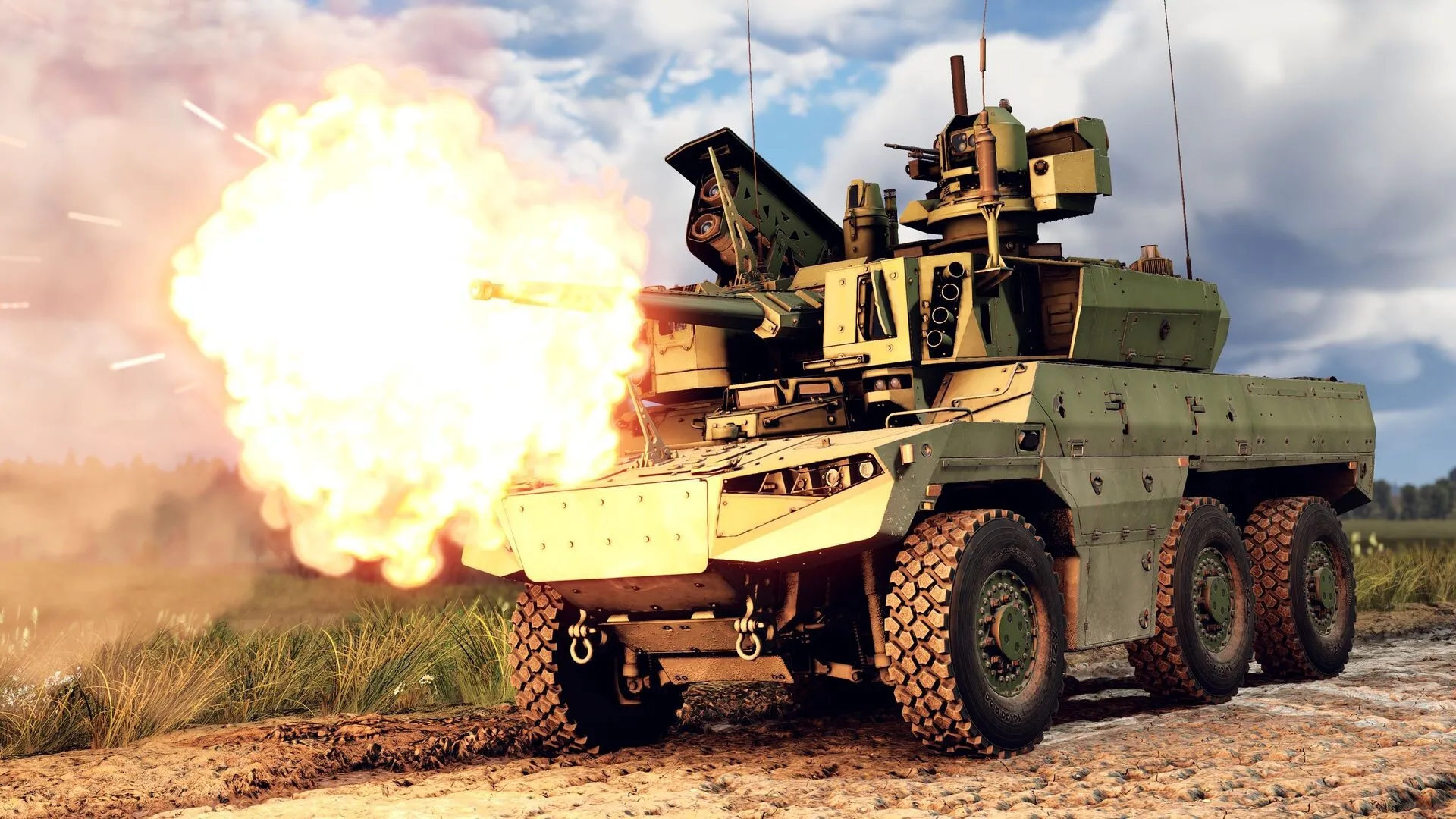
Planes rely on energy management, climb rate, turn radius, and armament loadouts. Tanks depend on armor angling, penetration, mobility, and turret traverse. Ships emphasize positioning, shell arcs, and torpedo tactics.
Understanding the mechanics of your vehicle ensures better survivability and tactical advantage.
Mastering Aerial Combat
Air battles demand agility, situational awareness, and precise timing.
Energy fighting—maintaining speed and altitude—is critical. Boom-and-zoom tactics suit fast planes, while turnfighters rely on tight maneuvers to outmatch opponents. Guns, cannons, and rockets require correct ammo selection based on target type.
Team coordination for wingmen, covering allies, and focusing fire on key enemy planes greatly improves chances of success.
Tank Combat Strategies
Ground battles emphasize positioning, cover, and angling.
Hull-down tactics maximize turret armor exposure while minimizing vulnerabilities. Flanking exposes weak side and rear armor, and proper ammo selection—AP, HEAT, or HE—maximizes damage.
Scouting and spotting enemy vehicles early helps your team dominate the map.
Naval Engagements
Warships combine positioning, firing arcs, and timing.
Long-range gunnery, torpedo placement, and evasive maneuvers are critical. Destroyers excel in speed and torpedo attacks, cruisers balance firepower and mobility, and battleships deliver high alpha damage but are slow targets.
Coordination with other players is essential to cover weaknesses and execute flanking strategies.
Upgrading Vehicles and Modules
Upgrades improve performance, survivability, and lethality.
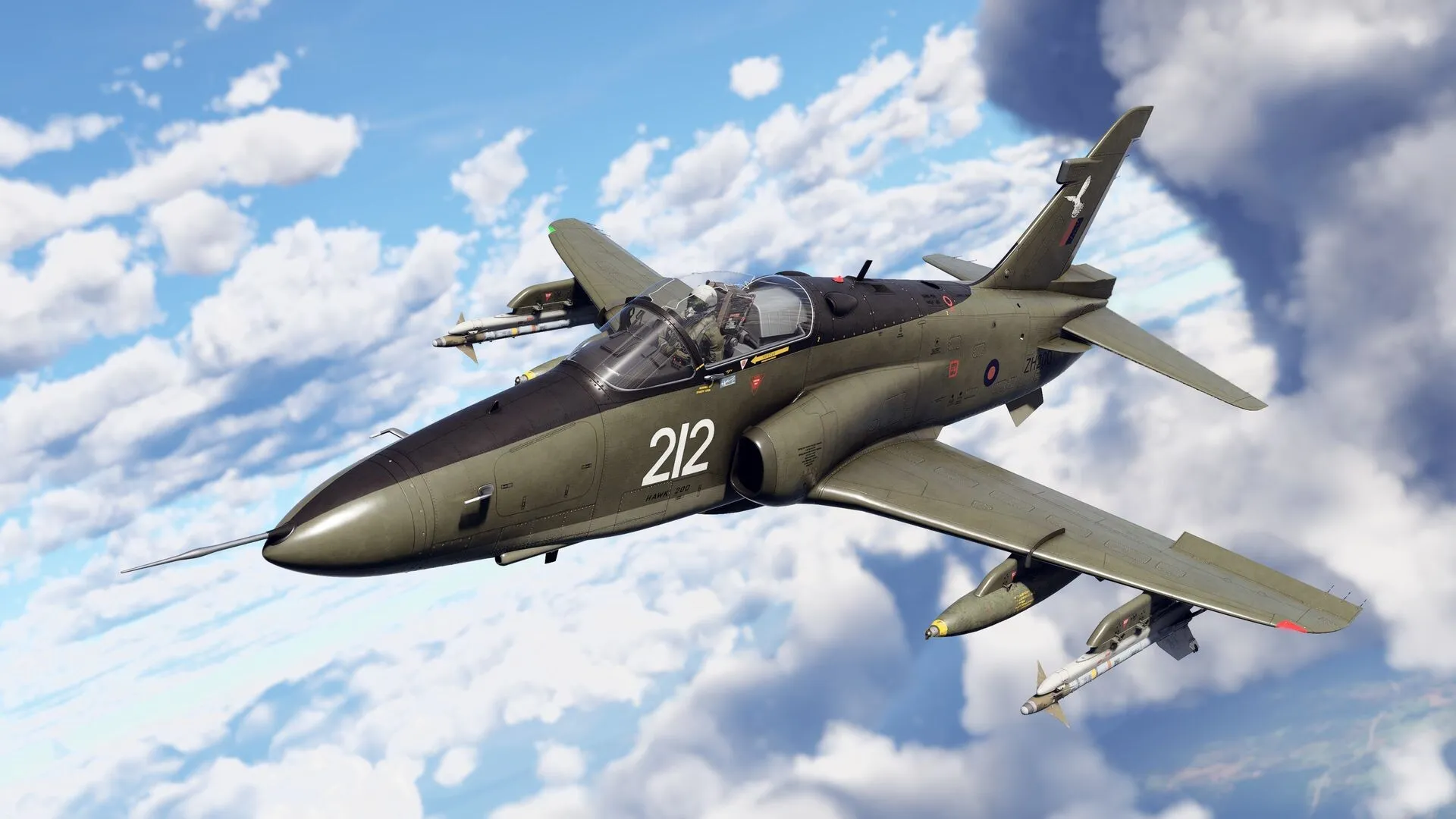
Aircraft gain better engines, armaments, and repair abilities. Tanks can upgrade guns, engines, suspensions, and optics. Ships receive turret, armor, and engine enhancements.
Consumables like repair kits, first aid kits, and aircrew boosts provide critical advantages in battle.
Map Awareness and Strategic Positioning
Knowing the battlefield determines outcomes.
Use terrain, islands, or urban cover to avoid exposure. Control high ground for tanks, maintain altitude advantages for aircraft, and position warships to dominate choke points.
Spotting enemies early and predicting their routes provides critical tactical information to your team.
Teamwork and Communication
Success relies heavily on coordination.
Communicate enemy positions, focus fire, and support allied vehicles. Wingmen in aircraft, platoons in tanks, and squadrons in naval battles greatly enhance efficiency and survivability.
Random battles can be challenging alone, so learning to anticipate team movements is key.
Progression and Resource Management
War Thunder’s economy relies on research points, experience, and in-game currency.
Prioritize unlocking vehicles that fit your preferred playstyle. Efficient resource management ensures upgrades, new vehicles, and consumables are readily available for competitive play.
Events and daily missions provide bonuses that accelerate progress and provide rare vehicles or equipment.

Preparing for Late-Game Battles
High-tier matches demand mastery of all systems.
Planes become more maneuverable, tanks more lethal, and ships more resilient. Advanced ammo types, counter-strategies, and situational awareness separate beginners from veterans.
Practicing realistic engagements, learning historical tactics, and continuously refining strategies ensure success in late-game scenarios.
Conclusion
War Thunder combines air, land, and naval warfare into a complex and rewarding battlefield. Mastering vehicles, positioning, teamwork, upgrades, and map awareness ensures you can dominate every engagement. Adaptability, coordination, and skill development are essential for rising from novice to elite in the dynamic, multi-faceted world of War Thunder.