.webp)








Grim Dawn is a dark fantasy action RPG developed by Crate Entertainment and set in the grim world of Cairn. In Grim Dawn, players combine two masteries, craft specialized builds, and progress through increasingly punishing difficulty tiers.
This guide is organized chronologically and logically—from early leveling fundamentals to Ultimate endgame optimization—so you can build efficiently, avoid common pitfalls, and scale properly into late-game content.
1. Choosing the Right First Mastery
Your first mastery determines early survivability and leveling smoothness. Grim Dawn allows dual-class combinations, but the foundation must be stable before hybridization.
Begin with a mastery that offers:
- Reliable AoE damage
- Defensive passives
- Sustain mechanics
Soldier, Shaman, and Demolitionist provide strong early-game stability.
Skill Point Allocation Principles
Focus on:
- One primary damage skill
- One defensive or sustain skill
- Gradual investment in the mastery bar
Avoid spreading points across multiple attack skills early.
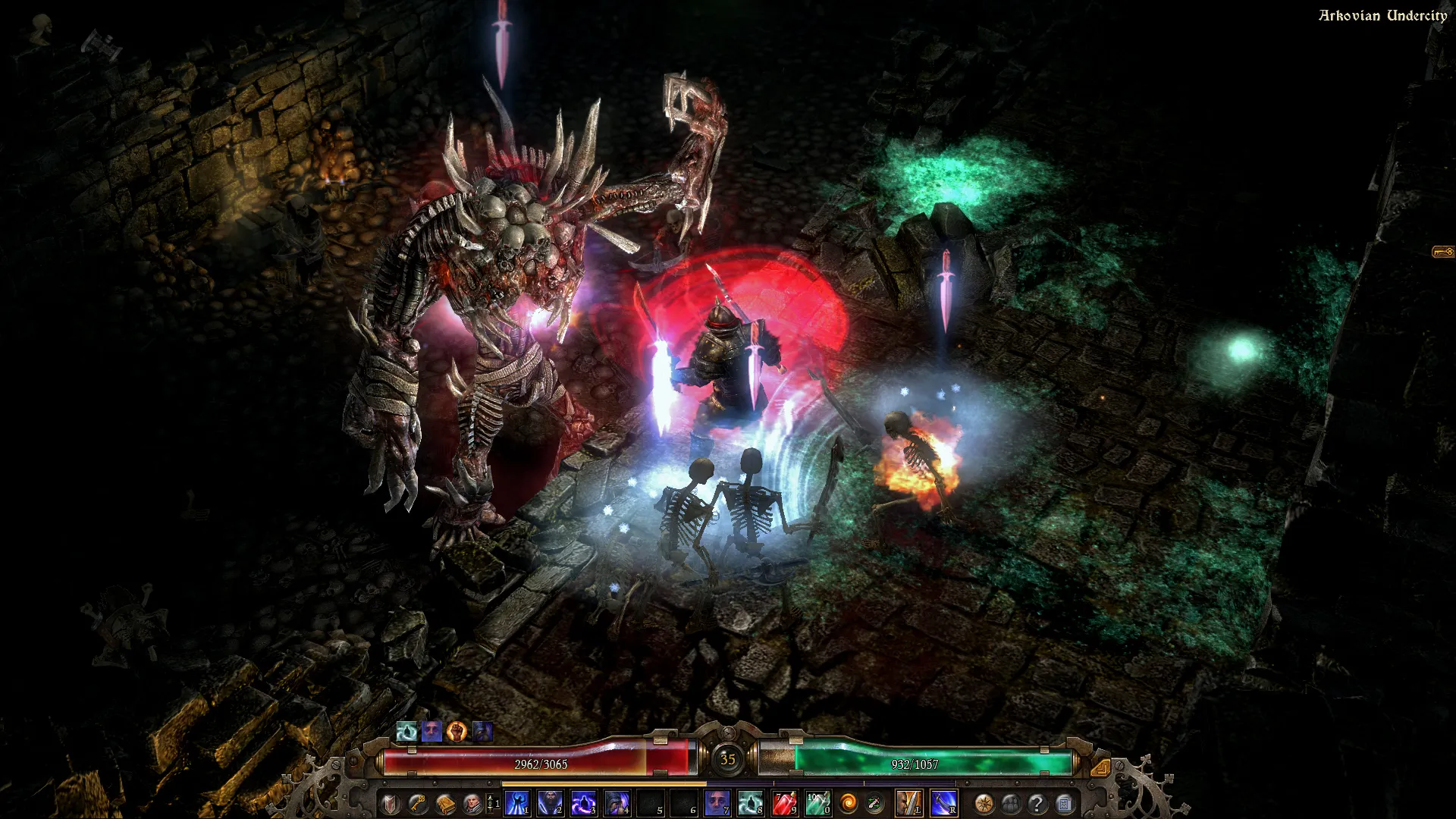
2. Understanding Damage Types and Scaling
Damage specialization is critical. Hybrid builds without conversion synergy underperform.
Each build should prioritize one main damage type.
Core Damage Types
Major categories include:
- Physical
- Fire
- Cold
- Lightning
- Vitality
- Acid/Poison
- Aether
- Chaos
- Pierce
- Bleeding
Scaling Strategy
Stack:
- % Damage bonuses
- Flat damage modifiers
- Resistance reduction for your damage type
Resistance reduction is mandatory for late-game viability.
3. Early Leveling Route Optimization
Efficient early progression reduces grind.
Complete:
- Main questline
- Key devotion shrines
- Essential side quests (skill and attribute rewards)
Avoid overfarming low-yield areas.
Devotion Shrine Priority
Secure:
- Crossroad affinities
- Sustain constellations early
Inventory Management
Salvage components instead of selling everything. Components are vital for resistance patching.
4. Resistance Management Fundamentals
Resistance capping becomes essential beyond Normal difficulty.
Target:
- 80% elemental resistances
- High vitality and poison resistance
Elite and Ultimate Preparation
Before entering Elite:
- Cap Fire, Cold, Lightning
- Raise Poison and Vitality
Before Ultimate:
- Cap all major resistances
- Overcap by 20–30% if possible
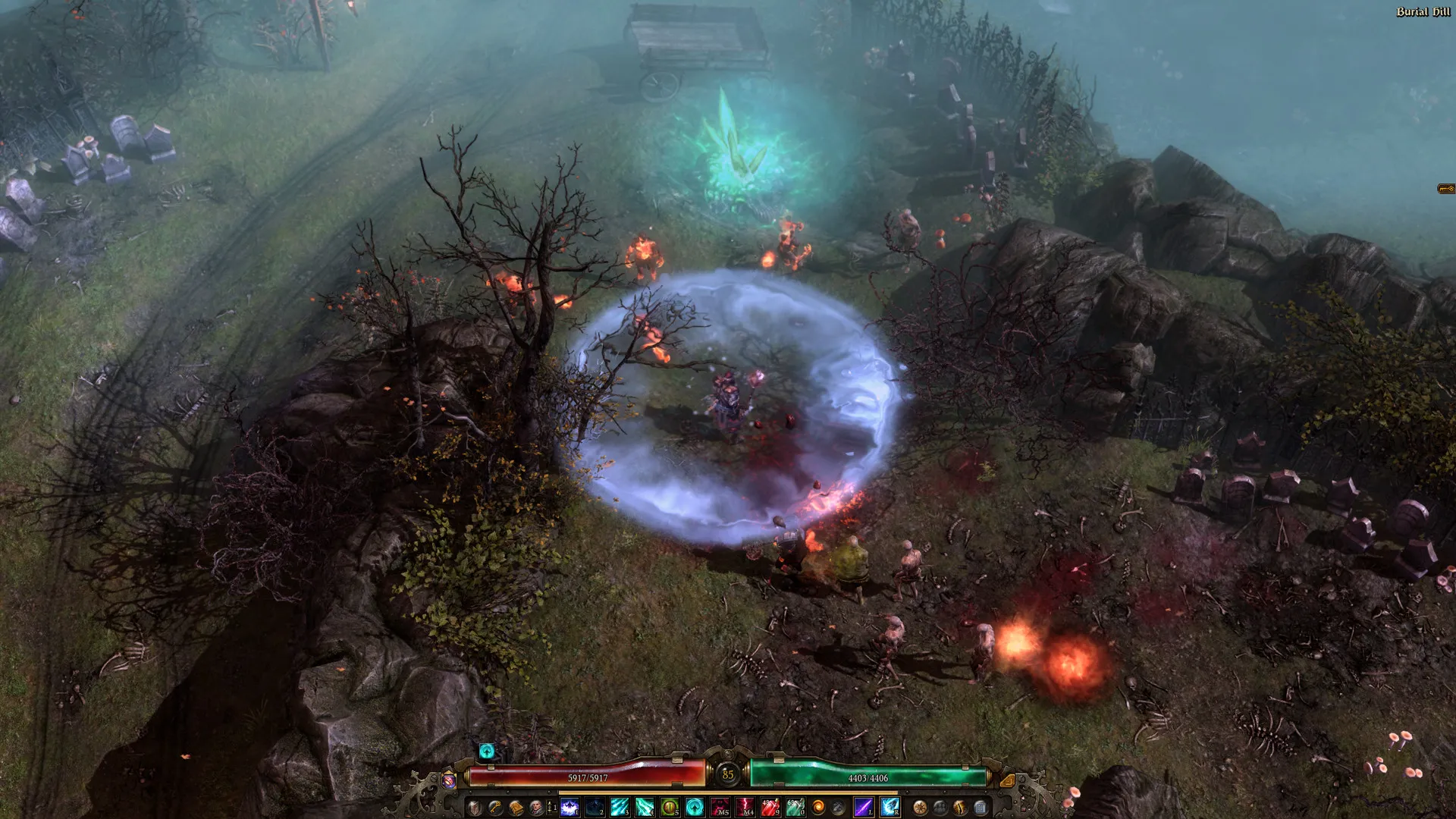
5. Devotion Pathing Strategy
Devotions define build identity.
Do not randomly assign devotion points. Plan around:
- Damage type synergy
- Sustain nodes
- Proc effects
Early Game Devotions
Prioritize:
- Healing constellations
- Defensive procs
Mid-Game Optimization
Transition into:
- Tier 2 and Tier 3 constellations
- Resistance reduction nodes
6. Gear Progression and Itemization Logic
Grim Dawn is item-driven.
During leveling:
- Use faction gear
- Equip items supporting your main damage type
Avoid chasing rare drops that don’t match your build.
Gear Priority Order
- Resistance coverage
- Skill bonuses
- Offensive Ability (OA)
- Defensive Ability (DA)
Component Usage
Always fill gear slots with components. Empty slots weaken survivability.
7. Faction Reputation and Augments
Faction reputation unlocks:
- Augments
- Blueprints
- Endgame gear
Maxing factions improves survivability significantly.
Key Benefits
Revered status grants:
- Resistance augments
- Movement speed boosts
- Build-enabling items
Reputation Strategy
Clear:
- Bounties
- Side quests
- Nemesis targets (late-game)
8. Transitioning into Elite and Ultimate
Difficulty scaling increases:
- Enemy health
- Resistance
- Damage output
Before entering Elite:
- Ensure damage consistency
- Confirm resistance caps
Survival Benchmarks
Recommended:
- 5k+ HP (Elite)
- 9k+ HP (Ultimate baseline)
Common Mistakes
- Entering Ultimate undercapped
- Neglecting Defensive Ability
- Ignoring crowd control resistance
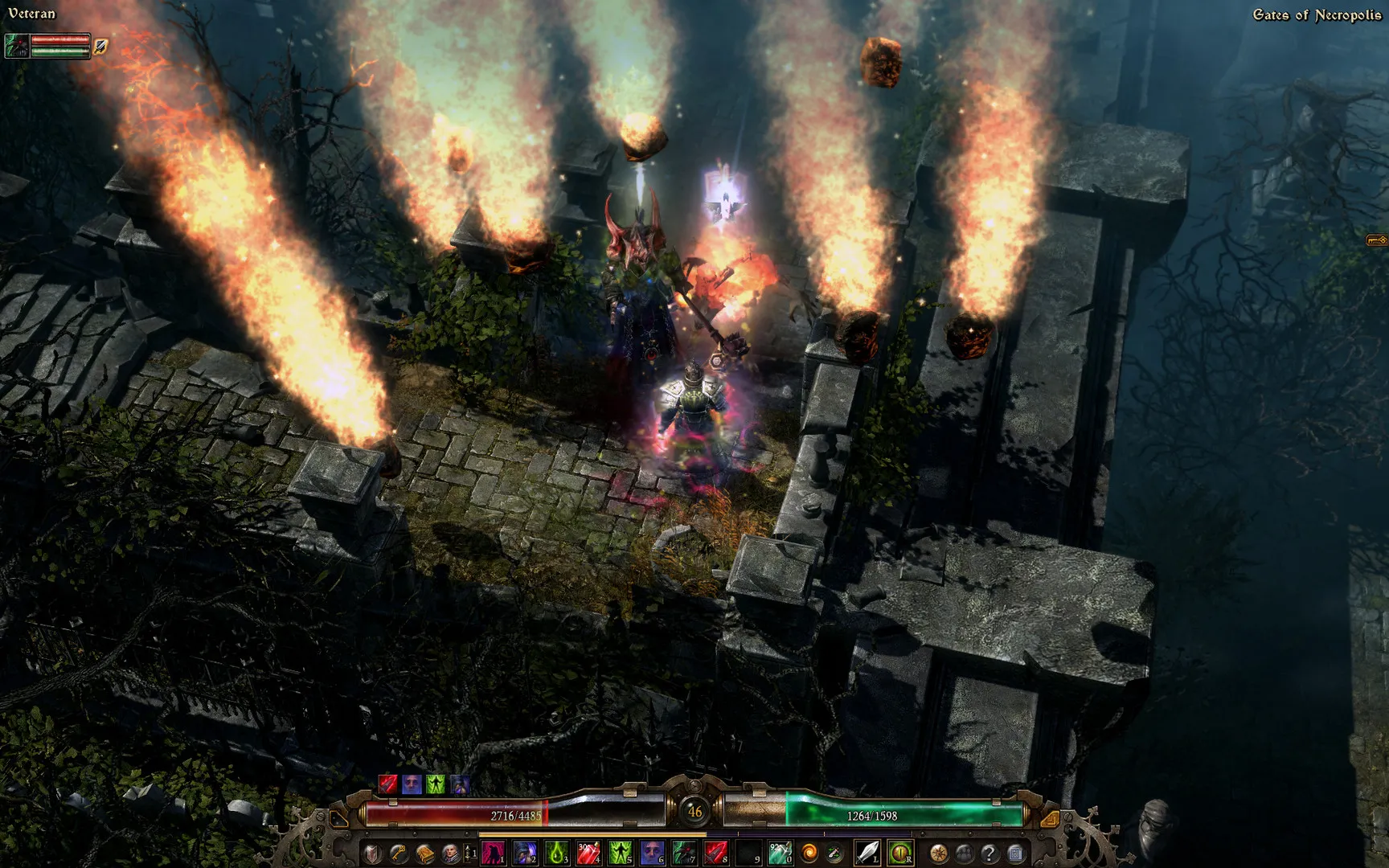
9. Endgame Farming and Optimization
Endgame revolves around:
- Target farming Monster Infrequents
- Roguelike dungeons
- Nemesis bosses
Farm efficiently based on build needs.
Farming Locations
Focus on:
- High-density elite zones
- Specific MI bosses
- Blueprint farming routes
Build Refinement
Optimize:
- OA/DA balance
- Resistance overcaps
- Damage conversion efficiency
10. Advanced Optimization and Build Min-Maxing
Late-game success depends on statistical fine-tuning.
Balance:
- 3,000+ OA for crit consistency
- 2,700+ DA for survivability
Offensive Layers
Combine:
- Flat damage
- % multipliers
- Resistance reduction stacking
Defensive Layers
Stack:
- Armor absorption
- Physical resistance
- Damage absorption procs
- Lifesteal (if applicable)
Min-maxing determines performance in high-end content.
Conclusion
Grim Dawn rewards disciplined specialization and layered defense. Early stability comes from focused skill investment and resistance management. Mid-game strength derives from devotion synergy and item alignment. Late-game success depends on resistance overcapping, faction augments, and statistical optimization.
Build around one damage type. Cap resistances early. Plan devotion routes. Scale efficiently into Ultimate.
Master those principles, and Cairn becomes conquerable.