




Introduction
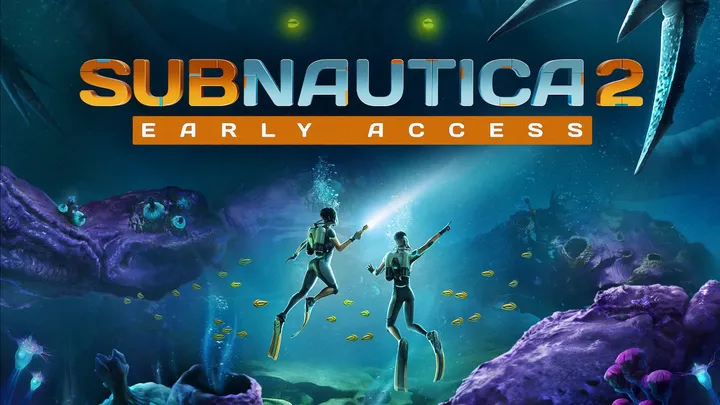
Among survival games, oceans have often existed as large maps filled with resources, enemies, and movement systems. Water usually functions as a mechanical obstacle or a visual setting rather than a living structure with narrative significance. The original Subnautica changed that expectation by constructing an ecosystem that felt interconnected. Creatures behaved independently, biomes carried history through environmental details, and fear emerged from uncertainty rather than scripted events.
Subnautica 2 occupies a uniquely important position because it has the opportunity to evolve this design philosophy. Instead of simply delivering larger maps and improved graphics, the sequel can deepen environmental storytelling itself. The most interesting subject surrounding the game is not survival techniques or crafting systems. It is the possibility of turning an alien ocean into a narrative language where every biological structure and geological formation communicates meaning.
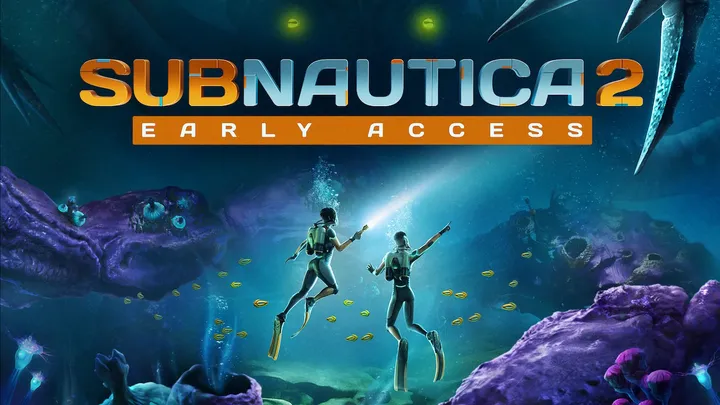
1. The Legacy Left by the First Ocean
From Survival Space to Ecological Space
The original Subnautica distinguished itself because players gradually discovered that the world did not revolve around them. The ecosystem existed independently. Predators hunted prey, creatures occupied territories, and entire regions felt alive regardless of whether players were watching.
Traditional survival games frequently organize their worlds around player progression. Trees exist to be cut down. Animals exist for resources. Enemies exist as combat challenges. Subnautica approached world design differently. It suggested that life had meaning outside player interaction.
Elements That Created This Feeling
Key design principles included:
- Creature territories
- Distinct biome identities
- Independent behaviors
- Environmental storytelling
- Fear based on uncertainty
Subnautica 2 inherits expectations created by these ideas and must decide how to evolve them.
2. The Ocean as an Archive of History
Landscapes Can Remember Events
Many games explain history through dialogue and cutscenes. Environmental storytelling operates differently because players become investigators rather than listeners.
An underwater canyon filled with collapsed alien ruins immediately suggests forgotten events. Strange mineral formations around destroyed structures imply disasters that occurred long before the player arrived.
Instead of receiving direct explanations, players reconstruct narratives through observation.
Geological Storytelling Layers
Subnautica 2 could transform geography into historical evidence.
Possible examples include:
- Ancient seabeds pushed upward by tectonic activity
- Fossil regions containing extinct species
- Destroyed research facilities
- Coral growth surrounding forgotten structures
- Areas scarred by environmental catastrophes
Every environment could become part of a timeline rather than simply a place.
3. Fear Through Biological Uncertainty
Monsters Versus Unknown Systems
Most horror-focused experiences rely on visible threats. Large enemies attack players and create immediate danger.
Subnautica approached fear differently. Empty spaces often felt more threatening than visible creatures because players feared possibilities rather than known dangers.
Silence itself became unsettling.
Subnautica 2 could strengthen this design by creating organisms whose behavior remains difficult to understand.
Potential Sources of Biological Uncertainty
Examples include:
- Species with changing migration routes
- Predators reacting differently under environmental conditions
- Creatures adapting to player activity
- Collective hunting behavior
- Organisms capable of changing ecosystems
Fear grows stronger when patterns become difficult to predict.
4. Dynamic Ecosystems Instead of Static Regions
Living Environments Need Change
Many game worlds remain permanently frozen. Forests never evolve. Animal populations remain identical after hundreds of in-game days.
Real ecosystems continuously adapt.
Subnautica 2 could introduce environmental changes that reshape entire regions over time.
Possible Ecological Transitions
Examples may include:
- Coral systems expanding across ruins
- Predators reducing prey populations
- Water temperature altering habitats
- Disease spreading among species
- Seasonal migration patterns
These changes would allow players to experience time through environmental transformation.
5. Isolation and Human Identity Underwater
Silence as a Narrative Tool
Subnautica frequently communicated loneliness without explicitly discussing it. Vast distances and limited human interaction created emotional experiences that dialogue alone could not reproduce.
Subnautica 2 may approach isolation from a deeper psychological perspective.
Instead of treating loneliness merely as physical separation, the game could explore adaptation.
Possible Emotional Stages
Human responses may evolve through stages:
- Disorientation
- Curiosity
- Familiarity
- Attachment
- Dependence
Players may slowly stop feeling like visitors and begin seeing the alien world as home.
6. Intelligent Life Beyond Familiar Science Fiction
Rethinking Alien Intelligence
Science fiction often represents intelligent life through human characteristics. Aliens usually possess recognizable emotions, political systems, and communication methods.
Ocean ecosystems create opportunities for more unusual possibilities.
Subnautica 2 could present intelligence that functions according to entirely different principles.
Potential Forms of Intelligence
Examples include:
- Distributed consciousness across organisms
- Memory preserved through coral structures
- Chemical communication systems
- Collective biological networks
- Environmental manipulation functioning as language
Such systems challenge assumptions about what intelligence actually means.
7. Verticality as Psychological Design
Depth Influences Emotion
Underwater spaces differ from ordinary landscapes because movement occurs across three dimensions.
Players do not simply travel forward. They descend and ascend.
Depth naturally carries emotional implications because visibility decreases and uncertainty increases.
Humans instinctively associate darkness with danger.
Layers of Psychological Progression
Surface Layer
Bright environments containing visible life and relatively predictable conditions.
Middle Layer
Reduced visibility combined with increasing uncertainty.
Deep Abyss Layer
Extreme environmental conditions where ordinary assumptions become unreliable.
The ocean itself becomes a psychological journey.
8. Resource Extraction and Ecological Ethics
Players as Participants Rather Than Conquerors
Many survival systems encourage unrestricted resource collection. Progress often means consuming everything available.
Subnautica 2 could create more complex relationships between survival and environmental consequences.
Actions might permanently influence ecosystems.
Potential Consequences
Examples include:
- Habitat destruction
- Species displacement
- Food chain instability
- Regional environmental shifts
- Long-term ecosystem damage
Such systems could transform player identity from conqueror into participant.
9. Memory Embedded in Living Systems
Biology as Historical Storage
Human civilizations preserve information through books and architecture. Alien ecosystems may preserve information differently.
Subnautica 2 could experiment with biological memory structures where organisms themselves contain historical records.
Exploration would become an act of interpretation.
Examples of Living Archives
Possible systems include:
- Coral patterns containing encoded information
- Genetic structures preserving history
- Migration routes functioning as records
- Symbiotic memory networks
- Bioluminescent communication systems
Players would no longer collect information from objects alone.
Life itself would become the archive.
10. The Future of Environmental Storytelling
Beyond Traditional Narratives
Subnautica 2 has importance beyond its own franchise identity because it may influence future game design philosophy.
Environmental storytelling often exists as supporting material placed around primary gameplay systems.
The sequel could make environment itself become narrative.
Potential Long-Term Influence
Future design trends might include:
- Ecosystems functioning as story structures
- Behavior replacing direct exposition
- Biological systems driving narratives
- Environmental transformation representing time
- Observation becoming a major gameplay element
Games traditionally tell stories through characters and dialogue. Subnautica 2 could demonstrate that landscapes themselves can communicate meaning.
Conclusion
Subnautica 2 represents more than a sequel opportunity. Its most interesting potential lies in expanding the language of environmental storytelling. Oceans naturally support mystery because they conceal information. Survival systems create emotional investment because necessity forces engagement. Ecosystems generate unpredictable behavior because life constantly changes.
When these elements combine, game worlds stop behaving like collections of designed spaces and begin functioning as living environments. The original Subnautica suggested this possibility. Subnautica 2 may push the concept much further by treating ecosystems not as scenery but as memory, history, and narrative structure. Instead of asking players simply to survive inside an alien ocean, it may ask them to understand one.